

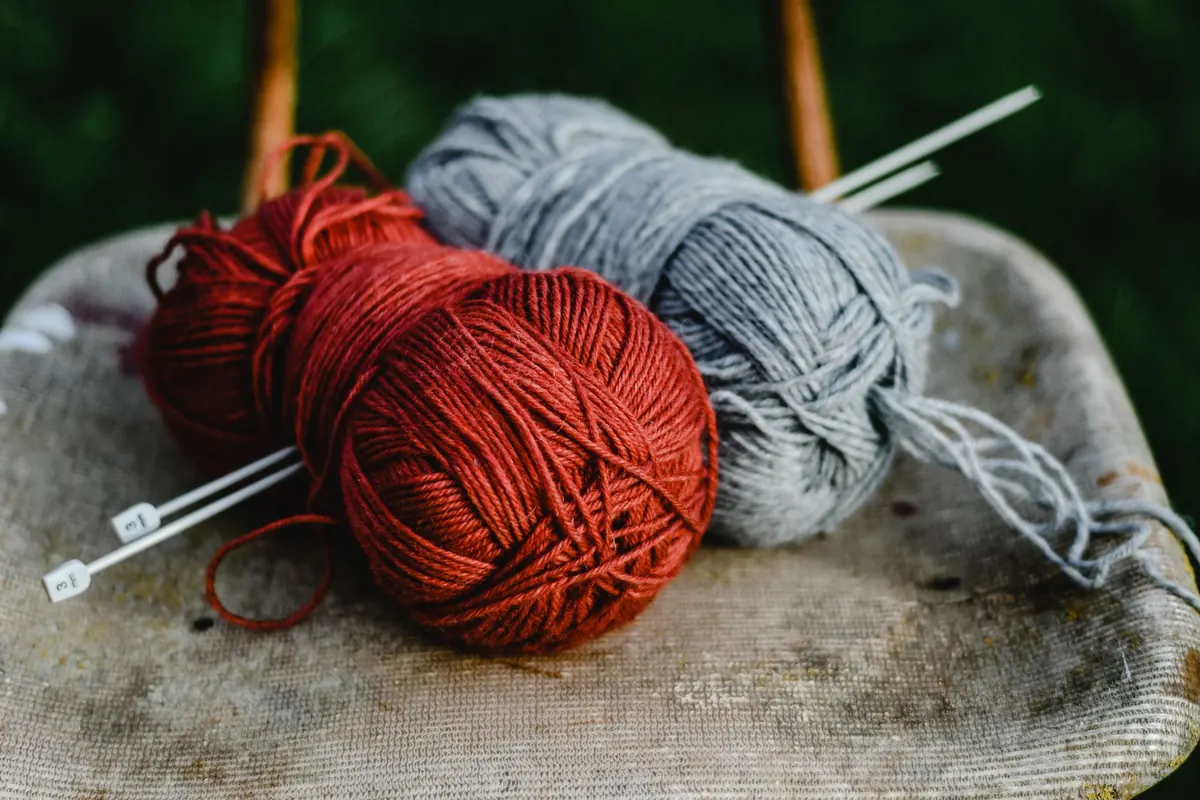
The first genuinely cold morning of the year always catches the wardrobe off guard. You pull a cardigan off the back of a chair and it feels thinner than it did in spring, or you find a hat you knit two seasons ago that lets the wind straight through. Autumn knitting is mostly a set of decisions made before you cast on: which fibre, at what gauge, for which part of the body. Get those three roughly right and a plain sweater will outperform a complicated one knit from the wrong yarn.
Start With Fibre, Then Think About Colour
Colour is what pulls us towards a skein, and there is nothing wrong with that. But fibre decides whether the finished knit is warm, whether it pills under the arms, and whether it survives a winter of daily wear. Wool is still the benchmark for cold weather: it traps air, insulates when slightly damp, and has enough natural elasticity to spring back into shape. The differences between breeds matter more than the word "wool" on the label.
- Merino is fine enough for most people to wear against the neck and wrists. Soft, good drape, excellent for hats and cowls. In high-friction places such as underarms and cuffs, a very soft merino can pill and wear thin faster than a slightly sturdier fibre.
- Bluefaced Leicester is the useful middle ground: soft enough for most skin, with more lustre and strength than merino. It shows cables and texture beautifully.
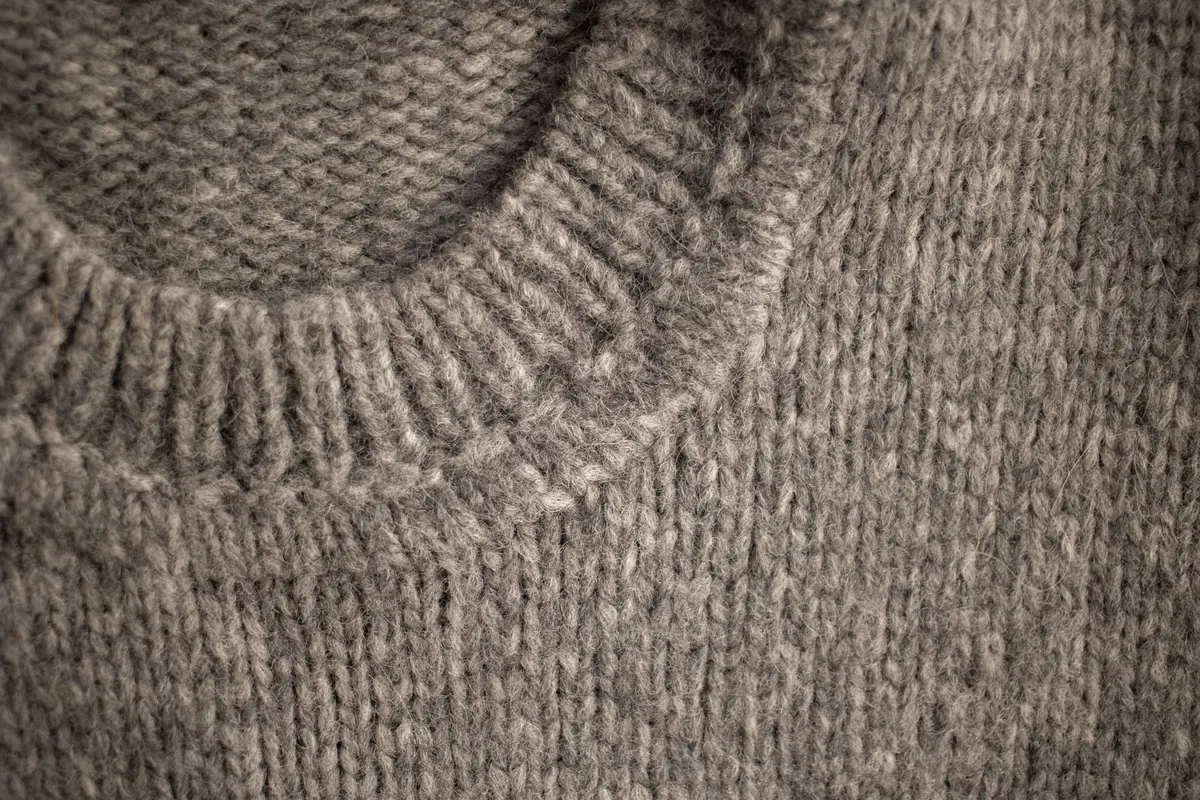
- Shetland and similar Northern wools are lighter and loftier than they look, with a faintly rustic hand. A fine Shetland knit can be warmer than a much chunkier yarn because of all the air it holds.
- Alpaca is warm, heavy and drapey, with a soft halo. It has little memory, so pure alpaca sweaters tend to grow with wear. Blended with wool, it keeps the warmth and gains structure.
- Mohair and silk blends are almost always held double with something else. The halo traps air and softens colourwork, but alone they are too airy and too fragile for a hard-wearing garment.
- Cashmere earns its place at the neck and hands, where abrasion is low. It is lovely in a cowl, less so in a sleeve that rubs on a coat all day.
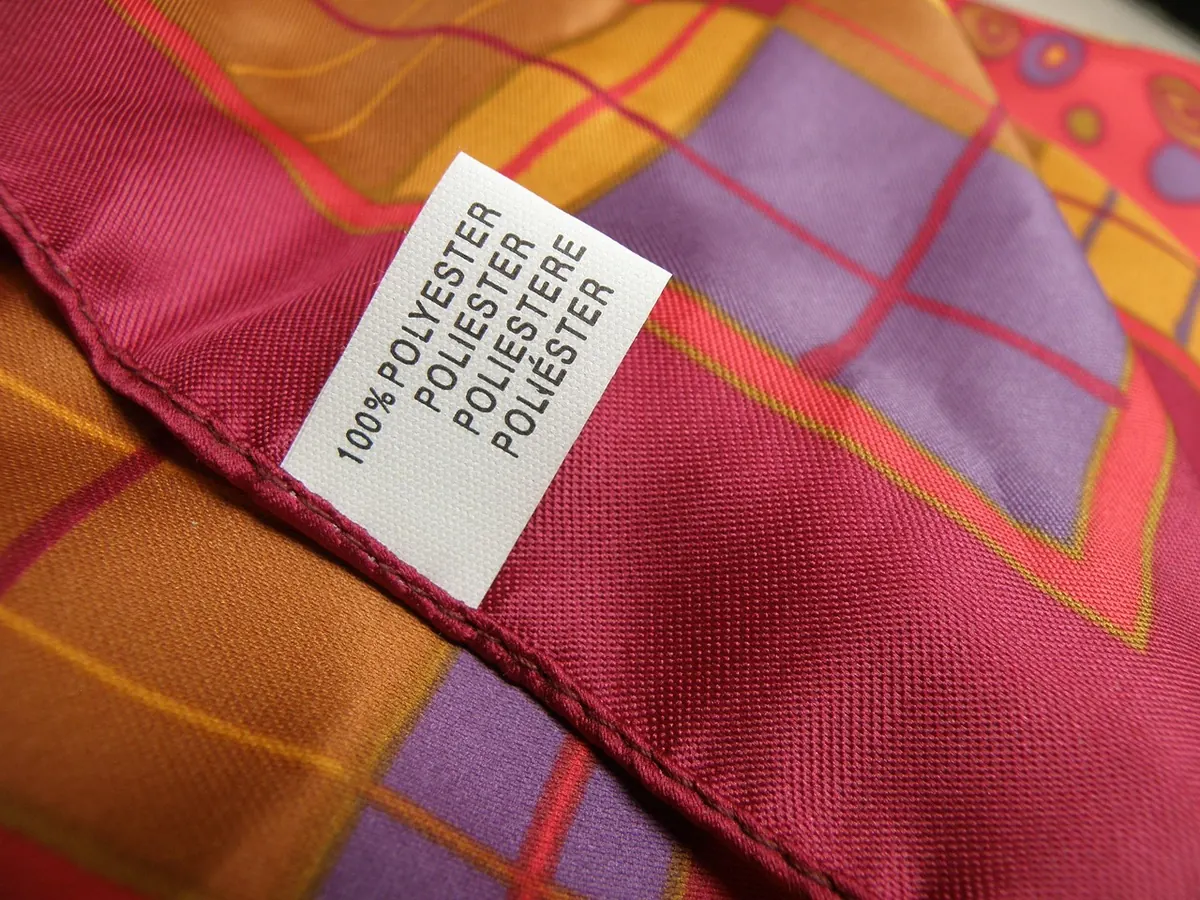
Two practical notes. Superwash treatment makes a yarn easier to launder, but it also changes how the fibre behaves: swatches can relax and lengthen after washing, so always test before committing to a sweater quantity. And if you want an autumn knit for a mild climate, cotton and linen blends feel cool to the touch and hang heavily; they are pleasant, but they will not give you the trapped-air warmth of wool.
Loft, Halo, and Why Thickness Isn't Warmth
Warmth comes from still air held inside the fabric. A thin, springy, woollen-spun yarn full of crimp can beat a flat, dense bulky yarn comfortably. When you squeeze a skein, you are checking loft: does it push back, or does it collapse into a firm cord? Woollen-spun yarns are fuzzier and airier, softer against the skin and generous in yardage. Worsted-spun yarns are smoother and stronger, with crisp stitch definition and less halo.
Ply matters too. A three-ply round yarn fills space between stitches; a two-ply yarn knit flat can bias and feels flatter. Halo — the fuzzy surface of alpaca, mohair or a rustic wool — adds warmth and hides uneven stitches, but it also blurs lace and cable detail. Decide which effect you want and choose accordingly, rather than trying to get both from one yarn.
Match the Yarn to Where the Knit Sits
Think in layers. A hat brim, cowl and wrist warmers sit directly on skin, often over a pulse point, and they get touched constantly. Choose softness and a little elasticity there: fine merino, Bluefaced Leicester, a wool-cashmere blend. A sweater worn over a shirt can take a sturdier, slightly more rustic wool, which will resist abrasion and hold its shape through repeated washing.
Outer layers are where density earns its keep. A cardigan or slipover knitted firmly at a tighter gauge blocks wind far better than a loose, drapey fabric of the same yarn. Socks are their own category: they need a tight twist and usually a little nylon in the heel and toe, or a strong wool rather than the softest merino on the shelf. For mittens, knit densely — a loose mitten is a cold mitten, and the palm side wears through first.
Stitch Density Does More Than Gauge
Two knitters can use the same yarn and get completely different fabrics. At a looser gauge you get drape, movement and stitch definition; at a tighter gauge you get structure, wind resistance and durability, at the cost of weight and some softness. Stockinette at a firm gauge is a different garment from the same yarn worked loose and slouchy.
The stitch pattern changes everything as well. Garter stitch produces a denser, thicker fabric per row than stockinette, which is why a garter blanket in DK feels substantial while a stockinette sweater in the same yarn feels light. Cables pull the fabric in, use more yarn, and add bulk — welcome on a winter pullover, less so on a garment you want to tuck under a coat. Stranded colourwork creates floats across the back, effectively a second layer, so colourwork yokes are noticeably warmer than plain ones of the same weight. Ribbing draws in and traps air at cuffs and hems, but stretched ribbing lets the cold through; keep your cast-on generous enough that the hat brim springs back against the head.
Row gauge deserves attention if you are knitting a raglan or a set-in sleeve. A yarn that grows lengthwise in the blocking will give you a deeper yoke than planned, and no amount of careful stitch counting will fix it.
Swatching for Real Weather
A swatch pinned flat on the table tells you very little. A cold-weather swatch should be treated roughly, the way the garment will be.
- Cast on enough stitches for a square of at least 15 cm (6 in) in the stitch pattern you actually plan to use, not just stockinette.
- Wash it exactly as you intend to wash the finished knit — same temperature, same soap, same handling — and dry it flat.
- Measure the gauge only after it is completely dry. Compare it with the numbers from before washing; that difference is your real information.
- Hang it from one corner for a day with a light weight, or simply hold it up, to see how much it sags.
- Rub it between your fingers for a minute, then hold it against your neck. If it already feels prickly or looks fuzzy, that will only intensify with wear.
Write the final numbers on a card and keep it with the leftover yarn. Next October you will not have to guess why that sweater came out short.
A Practical Checklist Before You Cast On
Buy by yardage, not by skein count — yardage per skein varies widely between brands, and a substitution based on skeins alone is where most projects go wrong. Add roughly ten per cent extra for swatching and any repairs later, and buy it all at once from the same dye lot; a second order in November may not match. Keep the ball bands until the garment is finished and washed, note the needle size and gauge you settled on, and store the spare yarn with a little cedar or lavender against moths.
One last thing worth doing before the season turns: lay out what you already own. Count the hats that actually fit, the sweaters that get worn, the gaps you keep meaning to fill. A single well-chosen sweater quantity of lofty wool, knit at a firm gauge in a colour you reach for every week, will do more for a winter wardrobe than three projects started in September and finished in March.
Photo: Eva Bronzini / Pexels